Moving out of a rental property is stressful enough without worrying about whether your bond will be returned. While many tenants believe a quick clean is sufficient, property managers assess end of lease cleans very differently to everyday cleaning.
Understanding what property managers actually look for can make the difference between a full bond refund and costly disputes.
Why End of Lease Cleaning Is Different
An end of lease clean isn’t about whether the property “looks clean” — it’s about whether it meets inspection standards set by property managers and landlords.
Property managers compare the property’s condition against:
- The original entry condition report
- Industry cleanliness standards
- Lease agreement requirements
This means detail matters — a lot.
The Key Areas Property Managers Focus On
1. Kitchens (The Highest Scrutiny Area)
Property managers pay close attention to kitchens because grease and grime build up easily.
They look for:
- Oven and stovetop cleaned thoroughly (inside and out)
- Rangehood filters degreased
- Cupboards and drawers cleaned inside and outside
- Splashbacks free of grease marks
- Benchtops and sinks sanitised
A surface-level clean is one of the most common reasons bonds are withheld.
2. Bathrooms and Toilets
Bathrooms must be hygienically clean — not just visually clean.
Key checks include:
- Shower screens free of soap scum and water marks
- Grout and tiles cleaned
- Toilets sanitised
- Mirrors streak-free
- Exhaust fans dust-free
Mould, soap residue, or lingering odours will often trigger a re-clean request.
3. Carpets and Flooring
Property managers almost always expect:
- Professional carpet cleaning, especially if pets were present
- Receipts or proof of cleaning (often required)
They check for:
- Stains
- Odours
- Dirt build-up along edges
- Marks in high-traffic areas
DIY carpet cleaning rarely meets inspection standards.
4. Walls, Skirting Boards and Doors
Often overlooked by tenants, these areas are carefully checked.
Property managers look for:
- Marks on walls
- Clean skirting boards
- Doors wiped down (including handles)
- Light switches cleaned
Small details can add up quickly during inspections.
5. Windows and Glass
Windows are a common fail point.
Checks include:
- Internal glass cleaned
- Window tracks free of dust and debris
- Sliding doors wiped down
- Cobwebs removed
Dirty tracks or streaked glass are easy for inspectors to spot.
6. Laundry and Storage Areas
Even secondary spaces must be cleaned properly.
This includes:
- Laundry tubs
- Cupboards
- Shelving
- Garage or storage areas (if included in lease)
Common Mistakes That Cost Tenants Their Bond
Some of the most frequent issues property managers report include:
- Missing internal cupboard cleaning
- Skipping oven and rangehood filters
- DIY carpet cleaning without receipts
- Ignoring walls and skirting boards
- Rushing the clean due to moving stress
These mistakes often result in additional cleaning charges deducted from the bond.
Why Professional End of Lease Cleaning Makes Sense
Professional end of lease cleaning is designed specifically to meet property manager expectations.
It helps:
- Reduce bond disputes
- Meet inspection checklists
- Save time during an already stressful move
- Avoid last-minute re-cleans
- Provide peace of mind
In many cases, professional cleaning costs less than the deductions that occur when standards aren’t met.
What to Look for in an End of Lease Cleaning Service
Not all cleaning services offer true end of lease cleaning.
Make sure the service includes:
- End of lease–specific checklists
- Experience with property manager standards
- Optional carpet cleaning
- Clear scope of what’s included
- Reliability and accountability
End of Lease Cleaning Done Properly
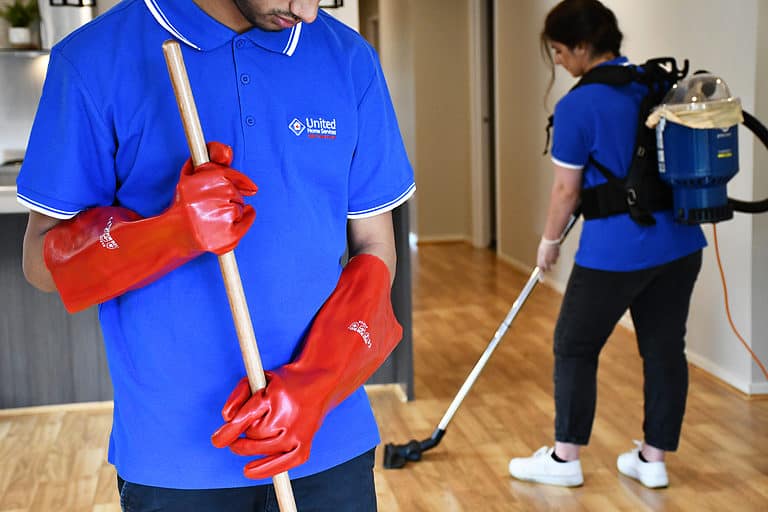
United Home Services provides professional end of lease cleaning designed to meet property manager and real estate inspection standards.
Our teams understand what inspectors look for — so you can focus on moving, not re-cleaning.
👉 Contact United Home Services to book end of lease cleaning with confidence.